Prepare
Start by identifying useful prerequisites: key items, suggested readiness, optional detours, and relevant settings or access notes. Preparation is context, not a fixed prescription, so readers can judge what matters for their own run.
Player help / NZ EN
Wonderstar s. r. o.’s walkthrough library is clear, player-first help for getting unstuck, planning a run, and uncovering more from the games you play. Find step-by-step routes, boss help, builds, collectibles, and co-op advice written to make the next useful decision easier across genres and platforms.
Browse all guidesFresh guide drops
These are the newest player-help formats in the library, selected for useful scope as well as recency. Every card makes the task visible first, so you can choose a full route, a focused encounter plan, an exploration pass, or a progression check without guessing.
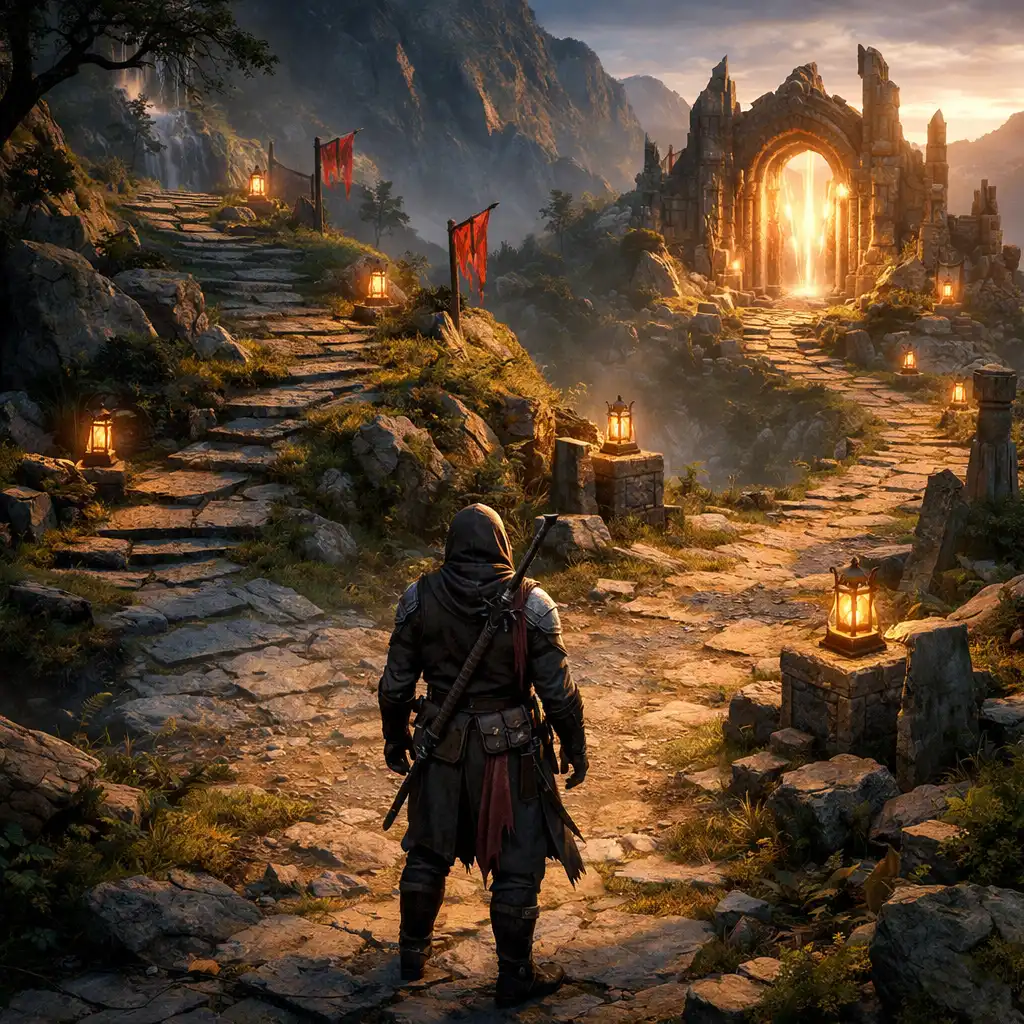 The complete route: what to do first, where to go next, and what not to miss
A representative start-to-finish guide structure for a CMS-populated game. Begin with practical preparation, follow clearly staged objectives, and finish with optional returns or related coverage instead of a vague final prompt.
01 Prepare02 Progress03 Finish
View route structure
The complete route: what to do first, where to go next, and what not to miss
A representative start-to-finish guide structure for a CMS-populated game. Begin with practical preparation, follow clearly staged objectives, and finish with optional returns or related coverage instead of a vague final prompt.
01 Prepare02 Progress03 Finish
View route structure
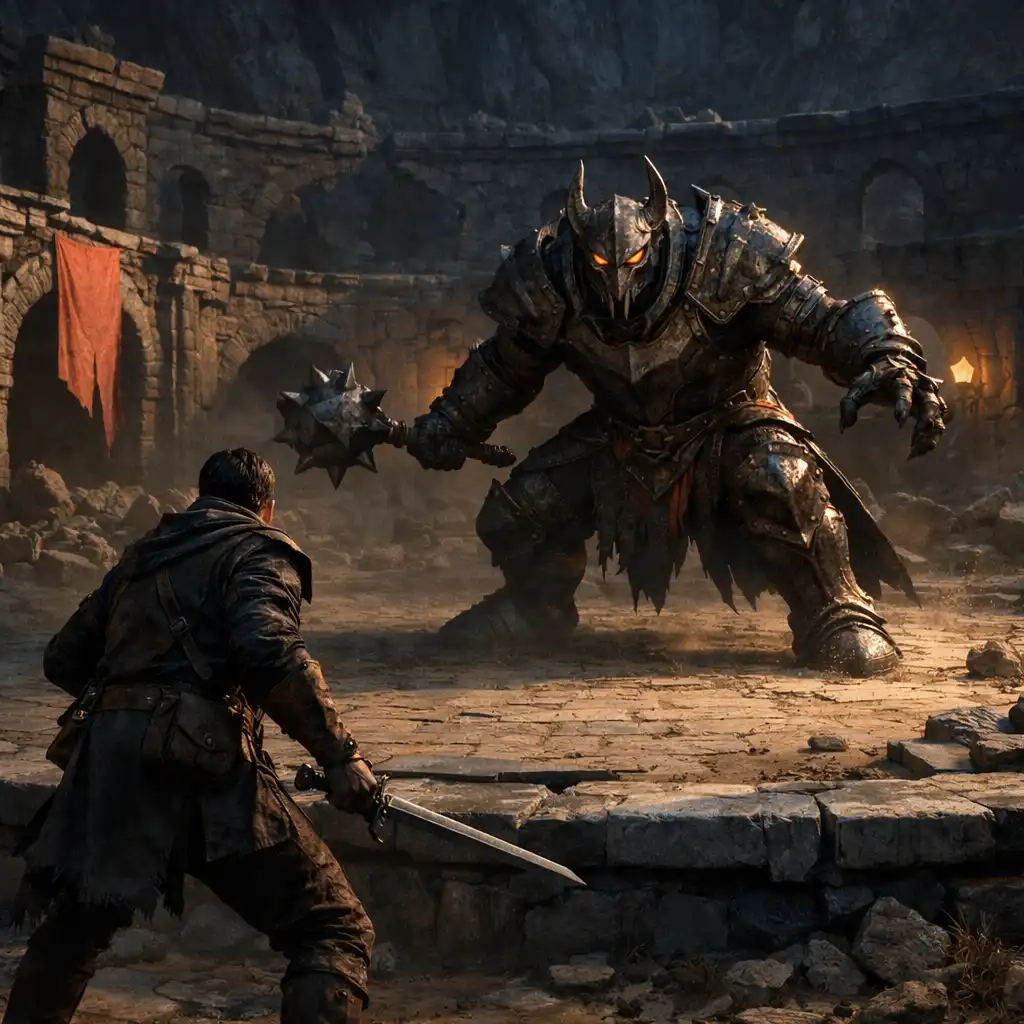 Read the arena before you commit to an attack
Use pattern notes, positioning prompts, loadout questions, and recovery windows to build an adaptable first plan for a difficult encounter.
Read the arena before you commit to an attack
Use pattern notes, positioning prompts, loadout questions, and recovery windows to build an adaptable first plan for a difficult encounter.
 Turn map clues into a calmer exploration pass
Trace landmarks, optional branches, and area checks without treating every detour as required progress.
Turn map clues into a calmer exploration pass
Trace landmarks, optional branches, and area checks without treating every detour as required progress.
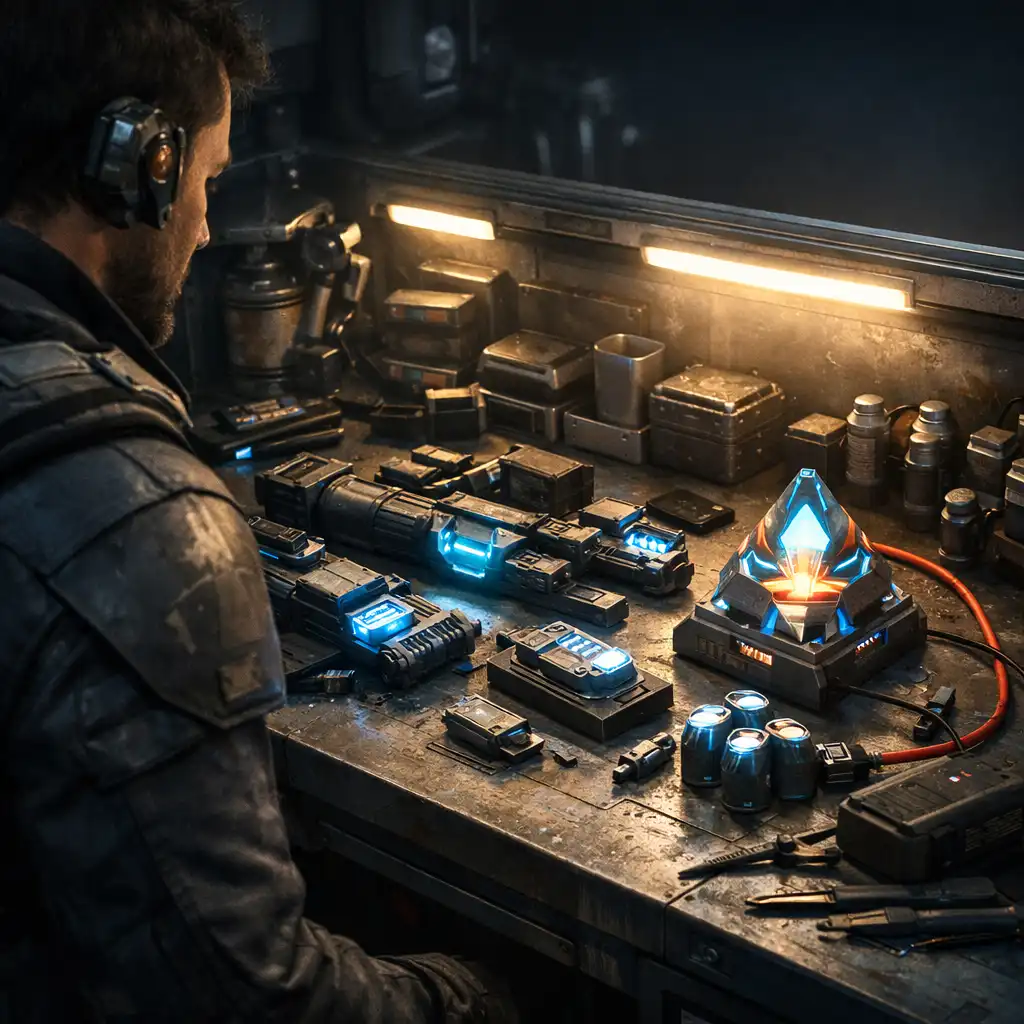 Choose upgrades that suit the way you play
Compare gear priorities, skill directions, and trade-offs with enough context to make a choice your own.
Choose upgrades that suit the way you play
Compare gear priorities, skill directions, and trade-offs with enough context to make a choice your own.
Choose your mission
Not every stuck point starts with a game title. Choose the kind of play need you have, then enter a filtered view built around the route, system, or moment you want to understand.
Featured route
A strong walkthrough is a spoiler-conscious route with a visible promise: what you will accomplish, what to prepare before you begin, and which optional choices can wait. This representative CMS-ready guide can be read in order or used as a staged reference when a larger objective needs a clearer shape.
Read the featured walkthroughStart by identifying useful prerequisites: key items, suggested readiness, optional detours, and relevant settings or access notes. Preparation is context, not a fixed prescription, so readers can judge what matters for their own run.
The central route turns a large objective into manageable stages. Decision points, spoiler labels, and optional branch callouts explain where a choice changes the path without adding unnecessary ambiguity.
The final pass flags unresolved optional tasks, worthwhile returns, and the next relevant guide. That gives you a useful way forward rather than ending at the first major objective.
Guide archive
Filter the guide collection by game title, platform, guide type, or player goal, then sort the visible coverage. Filters work together; use Clear filters to return to the default library. Results remain visible before you search, so there is always a practical place to start.
We could not update the guide list.
 A clear route through a large objectiveA staged template for turning a broad destination into preparation, progress, and optional follow-up.Open guide
Make a first plan for a difficult encounterRead attack rhythm, space, consumables, and safer recovery opportunities before changing your whole approach.Open guide
Build toward a playstyle, not a checklistCompare early choices, resource priorities, and later trade-offs without assuming a single best setup.Open guide
Plan a cleaner collectible and exploration passSeparate required progress from optional returns with area-based checks and route-aware prompts.Open guide
Follow a quest chain without losing the threadCheck current stages, nearby cues, recent tools, and sensible optional branches before searching blindly.Open guide
A clear route through a large objectiveA staged template for turning a broad destination into preparation, progress, and optional follow-up.Open guide
Make a first plan for a difficult encounterRead attack rhythm, space, consumables, and safer recovery opportunities before changing your whole approach.Open guide
Build toward a playstyle, not a checklistCompare early choices, resource priorities, and later trade-offs without assuming a single best setup.Open guide
Plan a cleaner collectible and exploration passSeparate required progress from optional returns with area-based checks and route-aware prompts.Open guide
Follow a quest chain without losing the threadCheck current stages, nearby cues, recent tools, and sensible optional branches before searching blindly.Open guide
 Set up a more useful co-op sessionClarify roles, shared objectives, communication moments, and session planning before the group meets a hard stop.Open guide
Try a broader search or clear the active filters to return to the full walkthrough library.
Quick fixes
Need one useful direction rather than a complete route? Start with these broad checks, then move into the guide type that best matches your situation.
Check your current quest stage, nearby map cues, recently unlocked tools, and the last clearly signposted location before searching blindly. A route guide is most useful when it restores the sequence around the objective, rather than replacing every moment of discovery.
Browse story and quest routesObserve patterns first, reassess range or mobility, review consumables and loadout choices, then seek encounter-specific help. No strategy is universal, but a focused guide can make openings, safer positions, and trade-offs easier to recognise.
Browse boss and combat guidesStart with your preferred playstyle, then look at resource priorities and the trade-offs each upgrade creates. Build guidance should explain why a direction works at early and later decision points, not force one meta choice.
Browse builds and progressionCollectible and exploration guides help separate required progress from optional completion tasks, reducing repetitive backtracking. Look for spoiler-conscious headings and area-by-area formatting when you want a clear list without reading farther than necessary.
Browse collectibles and explorationMechanics lab
Some of the best help starts before a named objective. These mechanics-led reads are for players who want to recognise a system, test choices safely, and know when a specialised guide will be more useful.
Retro corner
Older games often communicate objectives, mechanics, and progression differently. Helpful guidance can preserve the pleasure of discovery while making manuals, era-specific conventions, and optional route planning easier to read. The point is context—not flattening every classic challenge into a modern checklist.
 Navigate opaque objectives with useful contextA route model for reading classic signals, consulting era-aware context, and preserving the satisfaction of finding the next path.
Revisit a mechanic with fresh eyesHistorical context sits beside direct play advice, helping modern players understand an unfamiliar convention before choosing a route.
Navigate opaque objectives with useful contextA route model for reading classic signals, consulting era-aware context, and preserving the satisfaction of finding the next path.
Revisit a mechanic with fresh eyesHistorical context sits beside direct play advice, helping modern players understand an unfamiliar convention before choosing a route.
Guide standards
Useful player guidance respects time and context. These editorial principles keep a walkthrough readable when you need a direct answer and informative when you need a clearer understanding of the game around it.
Each guide should identify the likely goal up front: progress, preparation, discovery, or troubleshooting. Clear labels and scope notes help readers judge whether the article fits their need before they commit to a longer route.
Mechanics, platform context, and relevant prerequisites can make a direction more useful than an isolated command. Genre and system context explain why a step matters without claiming specialised expertise beyond the guide itself.
Guide structure can separate early pointers, deeper route detail, and optional completion information. That gives players more control over what they read while recognising that not every useful detail can be completely spoiler-free.
When a guide is revised, card and article metadata should communicate the supplied update context. Readers can then assess relevance without assuming that every guide is continuously updated.
Keep exploring
Search the full guide library by game or player need, browse recently added help, or use related reviews and editor picks when you are still deciding what to play. Wonderstar s. r. o. keeps the next useful route close at hand without losing the editorial context around it.
Search all walkthroughs